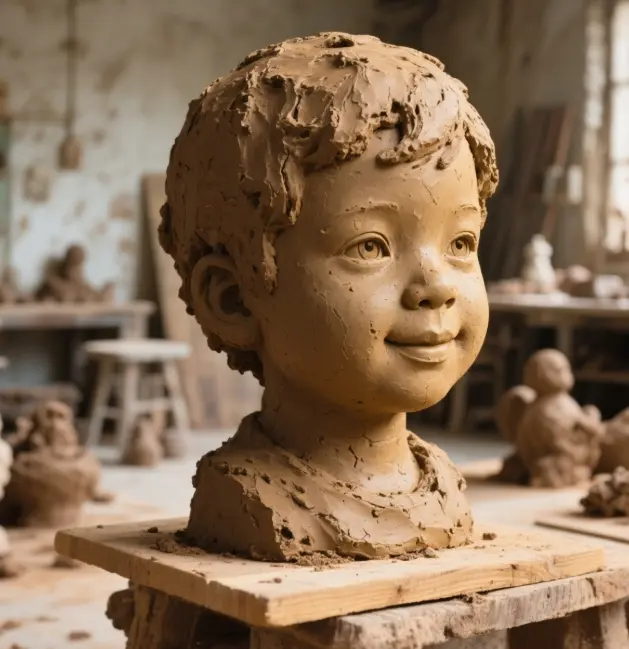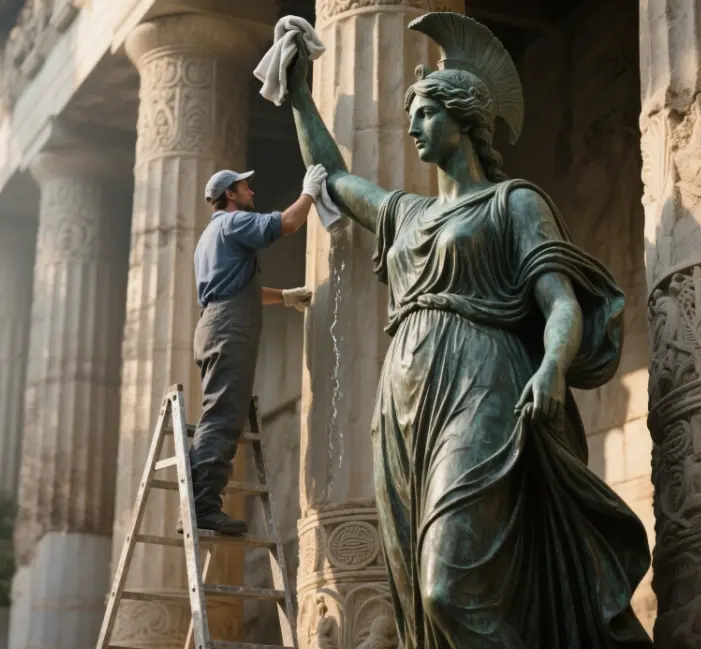
Display sculpture at home, the core is “choose the right, put the right, well placed, well protected”. Specifically: first according to the size and style of the space to choose the sculpture (the right size, the right material, the unity of style); and then find the right placement (living room, entrance and other key areas, avoiding glare and lines of motion); with the layout, lighting, accessories to enhance the effect (single prominent, multi-piece grouping, light focus, with a base or shelf); and finally do a good job in the daily cleaning and protection (according to the material to clean, collision prevention, anti-aging). By following these four steps, you can make the sculpture become the highlight of your home.
What benefits can Sculpture bring to your space?
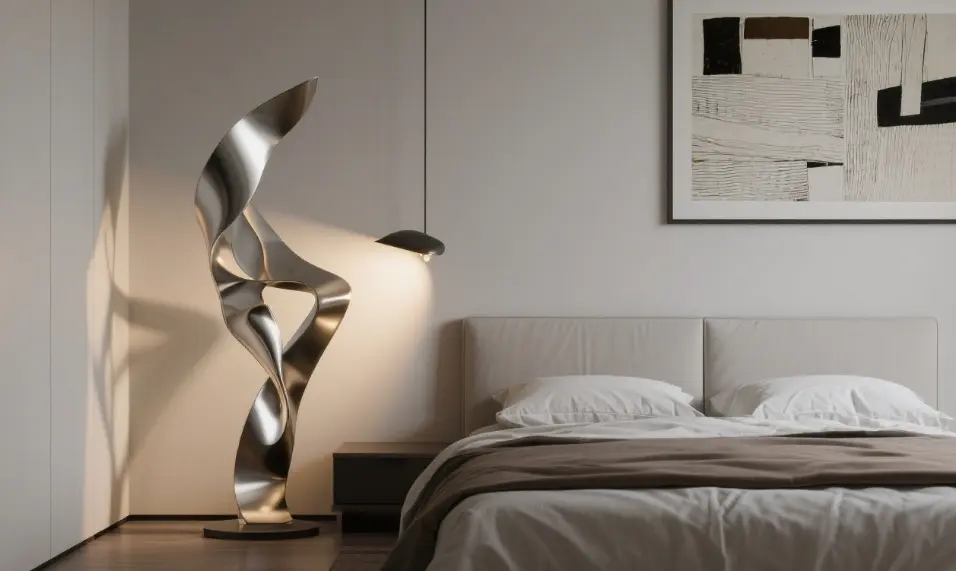
Sculpture is the “finishing touch” of the space, which can break the monotony of flat decoration and increase the dimensions and depth of the space through three-dimensional forms. Whether it is a small tabletop ornament or a large floor-to-ceiling sculptures, it can make the originally bland corner become a focal point, highlighting the personality and taste of the residents. For example, minimalist style living room placed in a smooth curve of the metal sculpture, can instantly enhance the artistic tension of the space; Chinese study in the stone sculpture ornaments, can echo the traditional cultural lineage, to create a calm atmosphere.
How can sculpture enhance the beauty of the home?
Sculpture through the form, material and color combination, and home decor form complement or contrast, strengthen the space aesthetic expression. The geometric lines of abstract sculpture can be matched with modern minimalist style, highlighting the sense of sharpness; realistic sculpture (e.g., figures, animal sculptures) can add storytelling to vintage space; and the differences in materials (e.g., warm wood, cold metal, delicate ceramics) can enrich the sense of touch and visual experience! — For example, the natural texture of a marble sculpture contrasts with the softness of a fabric sofa, adding dimension to the space.
Is there a psychological benefit to having art in the home?
Studies have shown that spending time with artwork relieves stress and enhances emotional well-being, and that the static beauty of sculpture creates a calm mental space: gazing at an abstract sculpture with soothing lines can be a welcome break from the fast pace of life, while animal sculptures full of life (such as a leaping horse or a lounging cat) can stimulate positive emotions. Animal sculptures (such as leaping horses and lounging cats) inspire positive emotions. In addition, placing pieces of art with personal meaning (such as handmade items brought back from a trip or ornaments passed down through the family) can evoke warm memories, enhance the emotional connection of the space, and add warmth to the home.
What Types of Sculptures Are Suitable for Home Display?
Choosing a sculpture requires a balance of space style, functionality and personal preference, and the following are key considerations:
How to choose the right sculpture for your space?
First of all, you need to clarify the purpose of display: as a visual focus (such as the main living room), or embellish the corners (such as the entrance cabinet, bookshelf) Large space (such as high living room, spacious hallway) is suitable for floor-to-ceiling sculpture (height of 80cm or more), to avoid the appearance of empty; Smaller sculptures are suitable for side tables or mantelpiece in bedrooms and living rooms to avoid oppression. Secondly, it is necessary to match the style of the space: Scandinavian style can choose metal or resin sculpture with clean lines, New Chinese style can be matched with stone or wooden traditional themes, and industrial style is suitable for rugged cast iron or concrete materials, which can truly fulfill the needs of the tailor space.
What materials should be considered when choosing a sculpture?
The characteristics of different materials of sculpture vary significantly, need to be combined with the use of scenarios to choose:
- stone (marble, sandstone): heavy texture, durability, suitable for high-frequency activities such as living room, entrance, etc., but the weight of the larger, need to ensure that the pedestal or placed on the countertop sturdy;
- metal (brass, stainless steel, iron): a strong sense of modernity, waterproof and rust-proof (part of the need for maintenance), both indoor and outdoor. Metal (brass, stainless steel, iron): modern, waterproof and rustproof (some need maintenance), both indoor and outdoor, brass sculpture oxidation over time will form a unique pulp, adding a retro flavor;
- ceramic / resin: colorful, diverse shapes, affordable, suitable for the desktop or shelf, ceramics need to avoid collision, the resin is more lightweight and resistant to falls;
- wood: gentle and natural, suitable for Japanese and Chinese styles, need to pay attention to moisture-proof and anti-insects, and to avoid cracks caused by direct sunlight;
- Glass / crystal: translucent and dynamic. Glass / crystal: translucent and dynamic, with excellent lighting effects, suitable for light luxury style space, but fragile, need to be placed in a safe location.
Is there a specific style of sculpture most suitable for placement at home?
There is no absolute “best” home SCULPTURE style, but the following categories are easier to integrate into the daily space:
- modern minimalist style: abstract geometric shapes (such as irregular geometry, streamlined curves), the color to black and white gray, metallic colors, suitable for most of the modern home;
- natural and organic style: bionic shapes (such as Natural organic style: bionic shapes (such as leaves, flowers, pebbles), mostly made of wood, ceramics or resin, can inject a natural atmosphere into the space, suitable for Scandinavian and Japanese styles;
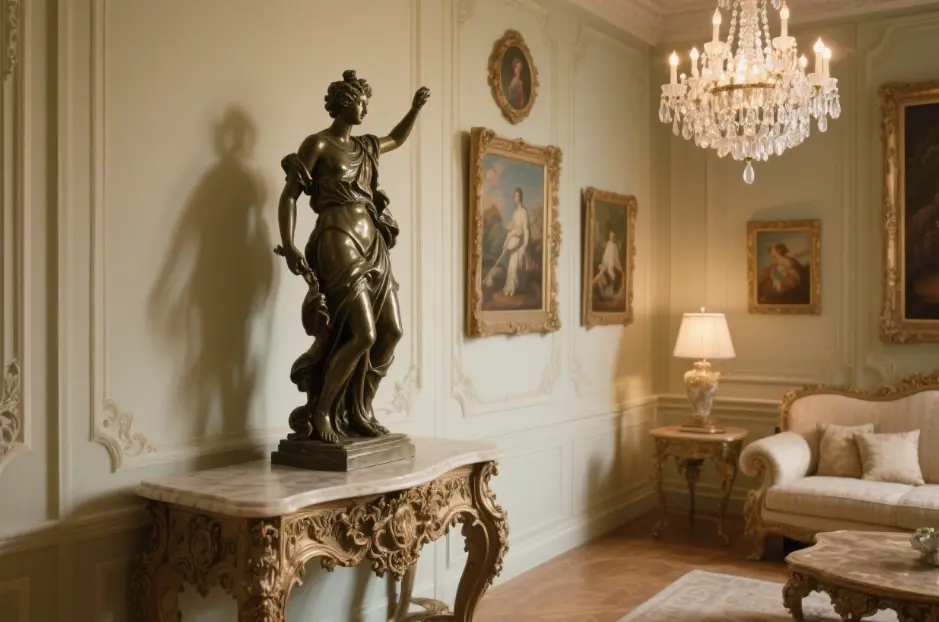
- Retro art style: reproduction of the classic statuary (such as mini version of the “Thinker”, “Venus”) or vintage themes (such as Republic of China characters, European relief), suitable for mix and match or retro style space, highlighting the cultural heritage;
- Fun personality style: cartoon images, trendy IP or artist co-branded models sculpture. Fun personality style: cartoon images, trendy IP or artist co-branded models sculpture, playful design can add vitality to the space, especially for young families.
Where should I place my sculpture?
Proper placement maximizes the ornamental value of SCULPTURE while avoiding conflict with living functions:
Which rooms are most suitable for sculpture placement?
- Living room: the core display area, can be placed next to the sofa, TV cabinet side or the transition area of the foyer flooring sculpture, or in the coffee table, side tables placed on the small ornaments, become the natural landing point of the guests’ line of sight;
- Entrance: the first eye “business card”, it is appropriate to choose small and exquisite sculpture (such as ceramic portraits, metal abstract pieces), placed in the entrance cabinet or on the end of the table, to create a sense of homecoming ceremony;
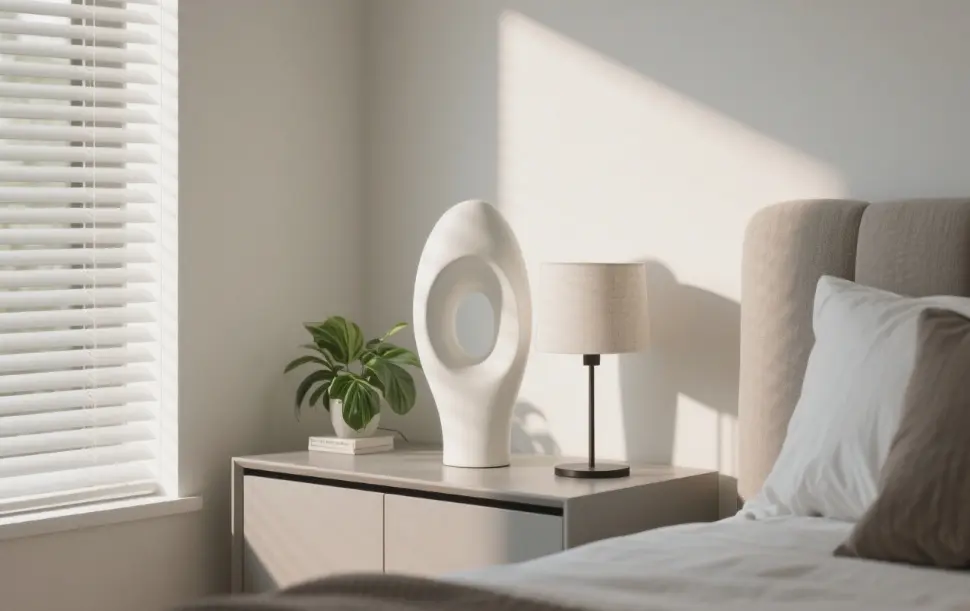
- Bedrooms: warm and relaxing, can be placed on the bedside table or dresser small sculpture (such as crystal ornaments, wooden animals), to avoid the sharp shape or color is too bright, so as not to affect the sleep;
- Study / studio: suitable for placing sculpture with cultural significance (such as stone paperweight, bronze scholar’s room ornaments), or abstract geometric sculpture, to help focus attention, inspiration;
- Outdoors: if the space allows, can be placed in weather-resistant statuary (such as stone, metal, fiberglass), such as the abstract water sculpture in the courtyard, the balcony of the cast iron critters, and the natural landscape complements.
How to decide between indoor or outdoor display?
The core difference between indoor and outdoor display lies in the material’s weather resistance and environmental adaptability:
- Indoor display: suitable for all materials, especially ceramics, glass, wood and other materials susceptible to environmental influences, need to pay attention to avoid direct sunlight (to prevent fading, cracking) and moisture (such as bathrooms need to stay away from water vapor);
- Outdoors display: Priority is given to stone, stainless steel, cast iron, fiberglass and other UV-resistant, waterproof, temperature difference-resistant materials, avoiding paper, cloth and other easily damaged materials. In addition, the size of the outdoor space needs to be considered: small balconies are suitable for small wall-mounted or floor-to-ceiling sculpture, and large courtyards can be paired with large-scale installation art.
What factors should be considered when choosing a location?
Light: avoid direct light (easy to cause material aging, color fading), preferred location with sufficient diffused light (such as behind the curtains by the window), or create soft lighting through the light;
Space proportion: the height of the sculpture should not exceed 1/3 of the height of the space where it is placed (e.g. 2.8 meters high living room, floor-to-ceiling height of the sculpture is recommended to be ≤ 1 meter), and the width should be coordinated with the placement of the countertop / floor (e.g. 50cm wide sideboard, suitable for 30-40cm wide sculpture);
Traffic flow: Avoid placing in corridors, doorways and other high-frequency walking areas to prevent collision; for families with children or pets, fragile sculptures should be placed in high or fixed positions;
Visual correlation: Sculpture should echo with the surrounding furniture and decoration, for example, if the sofa background wall is solid color, the sculpture next to the sofa can be used as a complementary color or form; if there is a painting on the wall, the style of the sculpture needs to be coordinated with the painting (e.g., modern painting with abstract sculpture).
How to Create an Impactful Sculpture Display?
Through the layout, lighting and environment, sculpture is upgraded from a “decorative piece” to an “artistic focal point” of the space:
Layout of multiple sculptures: Arrangement techniques and gallery sense creation
- If there are many pieces of sculptures at home, to avoid disorderly stacking, the following layout logic can be used:
- Symmetrical layout: in the space on both sides of the central axis of the placement of similar shape, size of the sculptures (such as the foyer cabinets at each end of a metal abstract sculpture), to create a balanced, solemn atmosphere;
- Staggered layout: the use of different heights of the booth (such as multi-layer shelf.), stepped pedestal), arrange sculptures of different sizes according to “staggered heights” to form a sense of rhythm (e.g. on the bookshelf in the study, put the big sculpture on the middle and the small one on the top);
- Thematic grouping: arrange sculptures of different styles, materials or Thematic grouping: the style, material or subject matter related sculptures will be displayed centrally (e.g. a group of ceramic animal sculptures will be placed in the corner table of the living room, and a group of metal geometric sculptures will be displayed in the foyer), to strengthen the visual memory point;
- White space principle: enough space should be reserved between multiple pieces of sculptures (the spacing should be at least 1.5 meters). White space principle: enough space should be reserved between multiple sculptures (spacing of at least 1/2 of the maximum size of the sculpture) to avoid crowding, so that each piece of art has a “sense of breath”.
Lighting up the sculpture with light: the use of spotlight and diffused light
- Lighting is the “second life” of sculpture, the right lighting can highlight the form, material and details:
- Focused Lighting: Use spotlight, track light or table lamp to focus the light on the sculpture (the angle between the light source and the sculpture is recommended to be 30°-45° to avoid direct light causing a “breathing sense” on each piece of art). 45°, to avoid direct glare), such as floor sculpture with buried spotlight, desktop sculpture with adjustable angle lamp;
- Side light / backlight: side light can strengthen the three-dimensional sense of sculpture and shadow level (such as the facial contour of the figure sculpture, abstract sculpture Side light / backlight: Side light can strengthen the three-dimensional sense of sculpture and shadow level (such as the facial contour of figure sculpture, abstract sculpture’s lines and twists and turns); backlight (light from the back of the sculpture) can highlight the crystal sense of translucent materials (such as glass, crystal);
- Daylight utilization: leaning against the window position can be used with the help of natural light illuminate the sculpture, but need to be coupled with the curtain filtering the strong light, to avoid the surface temperature of the sculpture is too high or fading;
- Lamps on these tables: Side tables in bedrooms or living room table lamps, can be used as
Accessories and environment complement: Pedestal, Shelf and Bookcases matching
- Pedestal: The use of a dedicated pedestal (e.g. wooden tray, marble table, metal stand) for a sculpture can raise the height of the sculpture, isolate it from the environment, and at the same time create a contrast between the material of the pedestal and the sculpture (e.g. metal sculpture with a wooden pedestal, stone sculpture with a glass pedestal). sculpture with wood pedestal, stone sculpture with glass pedestal);
- Shelf and bookcases: Bookshelf is ideal for displaying smaller sculptures, and can intersperse sculpture with books and photo frames to create a “bookcases”. Bookshelf is ideal for displaying smaller sculptures, and can be placed with books and photo frames to form a “miniature gallery”; transparent acrylic shelf can reduce visual interference and make the sculpture more lightweight;
- background wall: solid-color background wall (white, grey, morandi) can maximize the prominence of the sculpture, avoiding the complex patterned background to snatch the line of sight; if the sculpture is brightly colored, it can be paired with a background wall of the same color to form a sense of harmony;
- green plant embellishment: place small green plants (such as succulent, Ficus lycopersicum) next to the sculpture to neutralize the “cold and hard feeling” of the sculpture through natural elements, which is especially suitable for modern style This is especially suitable for modern style sculpture.
How to Maintain and Care for Your Sculptures?
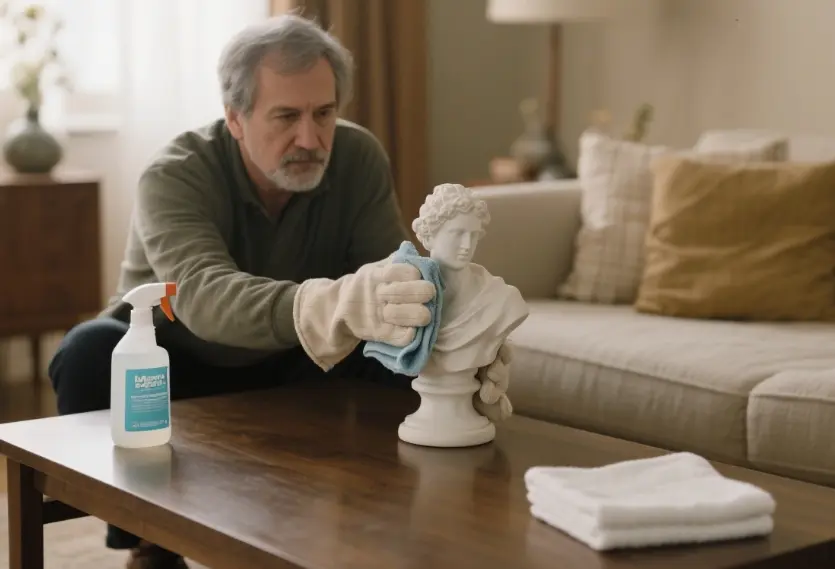
Sculptures made of different materials need to be maintained in order to maintain their long-lasting beauty and give works of art timeless appeal:
Which cleaning techniques are suitable for different materials?
- Stone (marble, sandstone): use a soft dry cloth to wipe the surface dust, stubborn stains can be slightly damp cotton cloth dipped in a small amount of neutral detergent (such as baby shower gel) gently wipe, immediately dry with a dry cloth to absorb moisture, to avoid liquid penetration into the pores;
- Metal (brass, stainless steel): brass sculpture can be used with a soft cloth dipped in a special brass cleaner (or diluted white vinegar) to wipe the oxidized layer, stainless steel / Iron Stainless steel / iron sculpture can be wiped with a dry cloth, avoid the use of hard cleaners (to prevent scratching the surface plating);
- ceramic / resin: daily dusting with a dry brush or a dry cloth, stains can be used cotton swabs dipped in water or diluted alcohol local wipe, avoid the entire sculpture washing (to prevent damage to the internal water);
- wood: dusting with a dry cloth or a soft brush, regularly (every 3-6 months) with a small amount of wood wax oil or olive oil lightly coated surface, to prevent cracking. Wood: Dust with a dry cloth or soft bristle brush, apply a light coat of wood wax oil or olive oil to the surface regularly (every 3-6 months) to prevent cracking, avoid using wet rags (to prevent mold and mildew from getting into the wood);
- Glass/Crystal: Spray a soft cloth with glass cleaner and gently wipe the surface of the surface to remove fingerprints and smudges, avoid spraying the surface of the sculpture (to prevent liquids from penetrating into the joints).
How to protect the sculpture from damage?
- Avoid collision: Place the sculpture in a stable, not easily touched position (e.g. top of high cabinets, pedestal with guardrail), large floor-to-ceiling sculpture can be fixed at the bottom with invisible adhesive (e.g. silicone spacer), to prevent tipping;
- Controlled environment: Indoor sculpture needs to be far away from air conditioning vents, heaters, humidifiers (to prevent drastic changes in temperature/humidity Control environment: indoor sculpture should be away from air conditioning vents, heaters, humidifiers (to prevent drastic changes in temperature/humidity from cracking the material), humid areas can be placed in the moisture-proof box next to the sculpture;
- Regular inspection: monthly check whether the sculpture is loose, cracks, discoloration and other problems, metal sculpture attention to whether the rust, wooden sculpture to see whether there is a sign of insect moths, found that the problem of timely treatment;
- Avoid direct sunlight: direct sunlight for a long period of time will cause the sculpture to fade, color, and color. Avoid direct sunlight: long-term direct sunlight will lead to color fading and material aging (such as resin brittle, wood cracking), window sculpture need to be matched with blackout curtains or blinds to adjust the light.
What should you know about seasonal changes and outdoor sculpture?
Outdoor sculpture need to cope with temperature, precipitation, ultraviolet light and other natural factors, seasonal maintenance focus on different:
- spring (rainy): timely clean up the surface of the sculpture of rain and leaves, check the pedestal drainage is smooth, the metal sculpture can be coated with a layer of antirust agent (such as transparent wax), to prevent the rain corrosion;
- summer (high temperature and strong light): stone, Concrete sculpture to avoid midday sun (can build a temporary sunshade), glass, resin sculpture need to regularly check whether there is deformation, cracking;
- fall (dry and windy): with a soft cloth to remove the sand and dust on the surface of the sculpture, wooden sculpture can increase the frequency of waxing to prevent drying and cracking;
- winter (low-temperature frost): the northern region outdoor Stone sculpture need to be painted before winter waterproofing agent (to prevent the expansion of the internal moisture icing lead to cracking), small metal sculpture can be temporarily moved indoors to avoid low temperature lead to material embrittlement.
What Common Mistakes Should You Avoid When Displaying Sculptures?
Improper display methods can diminish the beauty of the sculpture or even cause damage, the following “lightning points” need to be noted:
How will overcrowding affect sculpture display?
Placing too many SCULPTURES in the same space or countertop will lead to visual confusion, and the details and beauty of each PIECE OF ART cannot be focused on. For example, placing 5-6 small pieces of sculptures on a 1-meter wide TV cabinet will look cluttered; placing floor-to-ceiling SCULPTURES, greenery, and storage cabinets at the same time in the corner of the LIVING ROOM will make the space depressing. Suggestion: follow the principle of “less but fine”, the number of sculptures in the same visual area is not more than 3, and the style and size are clearly differentiated (e.g., a large and two small, a main one at a time), to create a “miniature gallery” rather than a “pile of clutter”. “clutter pile”.
What are the risks of poor lighting choices?
- Too bright or too dark: too bright light will make the surface of the sculpture reflect harshly and hide the details of the material (e.g. the texture of marble); too dark will not be able to highlight the shape of the sculpture and lose the meaning of display;
- Wrong position of the light source: direct light from the top will form a heavy shadow under the sculpture, resulting in the face and details being obscured (e.g. the face of the character Wrong position of light source: top direct light will form a heavy shadow under the sculpture, resulting in the face and details being blocked (e.g. the face of the figure falling into the shadow); the angle of the side light is too flat, which can’t highlight the sense of three-dimensionality;
- Incongruity of color temperature: a warm environment with a cold spotlight will make the sculpture appear abrupt; cold and hard materials (metal, glass) will be weakened by the use of warm illumination with a modern sense of its modernity. Suggestion: choose the lighting according to the sculpture material and the main color of the space, control the brightness by dimmer switch, avoid direct exposure of the light source (you can add soft cover).
How to avoid ignoring the importance of proportion?
The imbalance between the proportion of Sculpture and space, furniture is the most common reason for “overturning”:
- Sculpture is too big: a small living room with oversized floor-to-ceiling sculpture (e.g., more than 2 meters in height) will make the space look constricted, and even affect the walking;
- Sculpture is too small: pick high living room empty corner placed mini sculpture (height less than 30cm), will be space “swallow”, no sense of existence;
- and furniture proportionally disproportionate: short fat coffee table placed on the thin and high sculpture, or high sideboard placed on the broad Flat sculpture, will appear incongruous. Suggestion: Use tape measure to measure the space size and furniture size before placement, control the height of sculpture in the space between 1/3-1/2 of the height of the space, the width does not exceed 2/3 of the placement of the countertop, through the “paper model” or cell phone simulation (photo comparison) to determine in advance whether the ratio is appropriate.