From the idealized human form of ancient Greece to the religious masterpieces of the Renaissance, and on to the large-scale public installations in modern city squares, sculpture—with its three-dimensional form and timeless materials—has become one of the most symbolic forms of artistic expression in human civilization. Whether it’s Michelangelo’s “David,” Rodin’s “The Thinker,” or the serene and sacred statues in the Vatican Museums, these works are not merely “artworks”—they are frozen moments in history and snapshots of the spirit of an era.
When people search for “What are the most famous sculptures?” they often want to know: Which sculptures have had the most significant global influence? What great artists and compelling stories lie behind them? Where can we admire these masterpieces?
This article will guide you through the world’s most famous sculptures, spanning different historical periods, styles, and cultural contexts, helping you understand why these sculptures have become irreplaceable in art history. Whether you are an art enthusiast, a travel planner, or a creator seeking inspiration, you will find it here.
Top 10 Most Famous Sculptures in the World
These sculptures are renowned not only for their visual impact but also for their irreplaceable status in history, religion, culture, and art. The following are ten widely recognized, representative world-class sculptures:
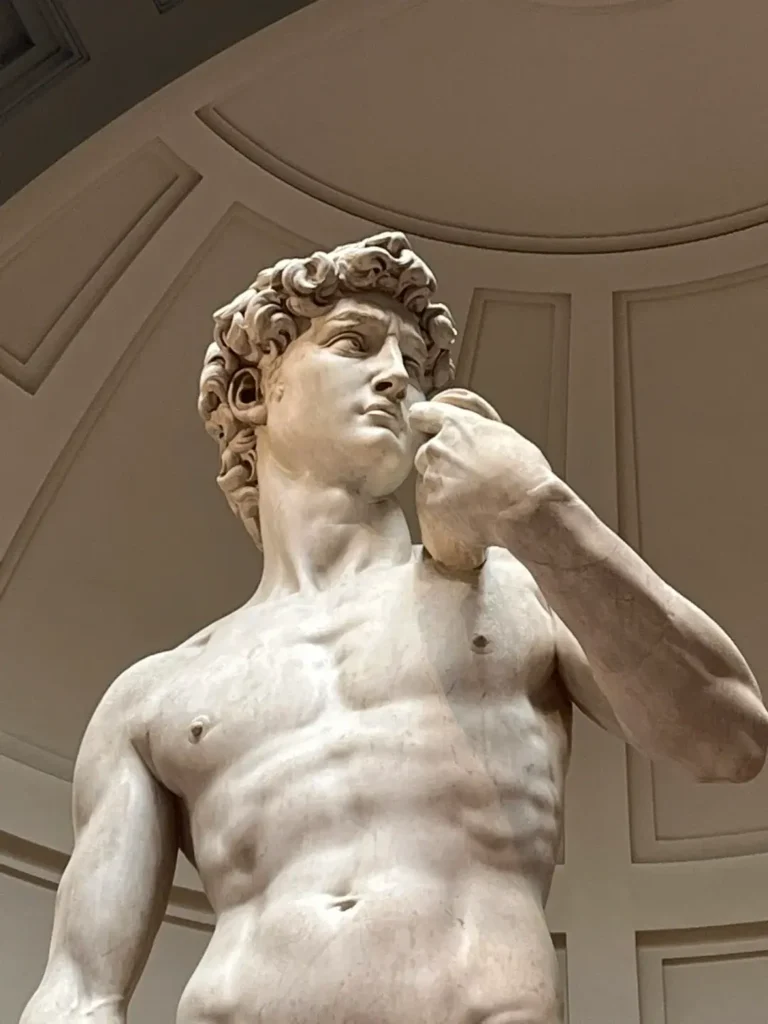
1. David
- Artist: Michelangelo
- Creation date: 1501–1504
- Material: Carrara marble
- Current location: Galleria dell’Accademia, Florence, Italy
- Highlights: A masterpiece of Renaissance sculpture, it perfectly combines idealism and strength, and is a classic example of an “iconic sculpture.”
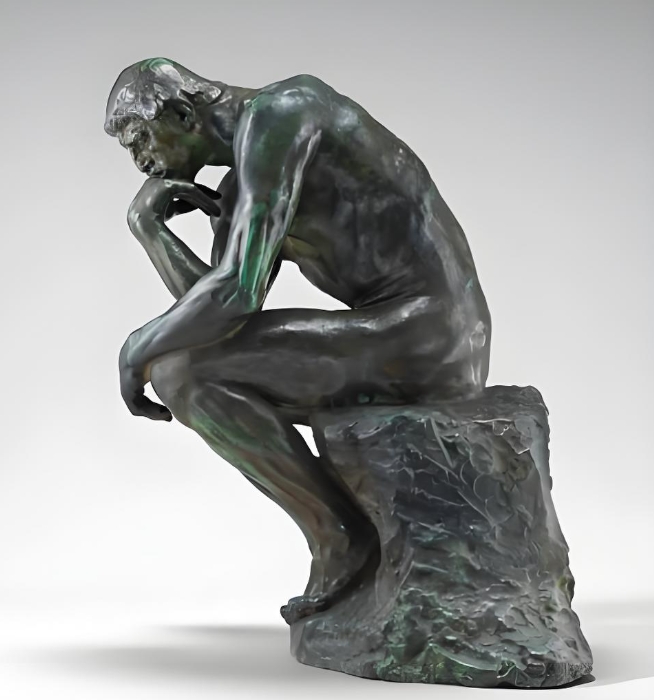
2. The Thinker
- Artist: Auguste Rodin
- Creation date: 1880 (original model), cast multiple times thereafter
- Material: Bronze
- Current location: Rodin Museum in Paris and other locations
- Highlights: Explores the “contemplative human spirit” in modern sculpture, combining modern sculpture with philosophical art.
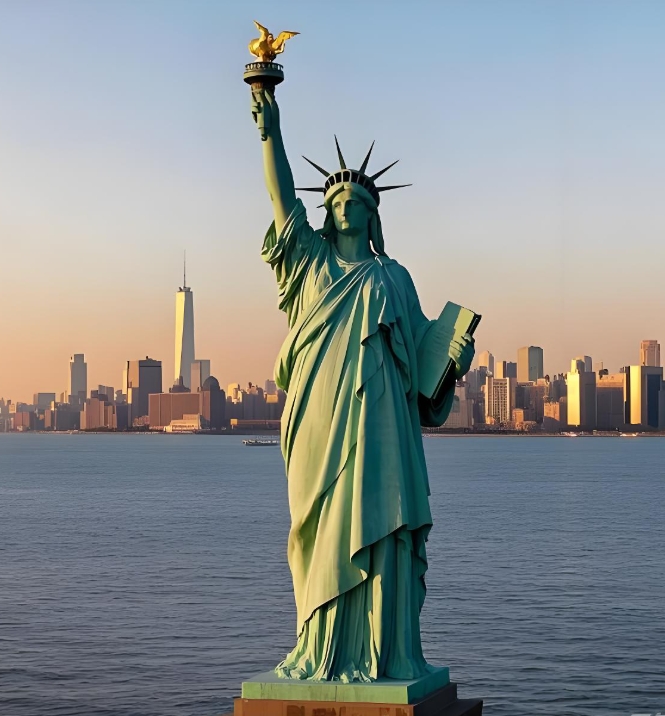
3. Statue of Liberty
- Artist: Frédéric Bartholdi
- Completion Year: 1886
- Material: Copper plate structure
- Location: Liberty Island, New York, USA
- Highlights: A national symbol of freedom and democracy, and one of the most globally recognizable public art landmarks.
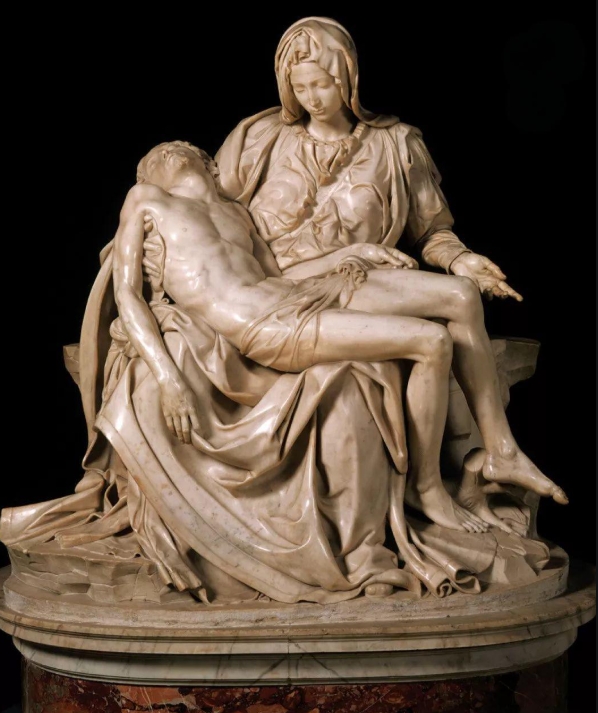
4. Pietà
- Artist: Michelangelo
- Creation Date: 1498–1499
- Material: Marble
- Current Location: St. Peter’s Basilica, Vatican City
- Highlights: A masterpiece of religious sculpture, it harmoniously unites emotion and structure, earning it the title of “the most perfect sorrow.”
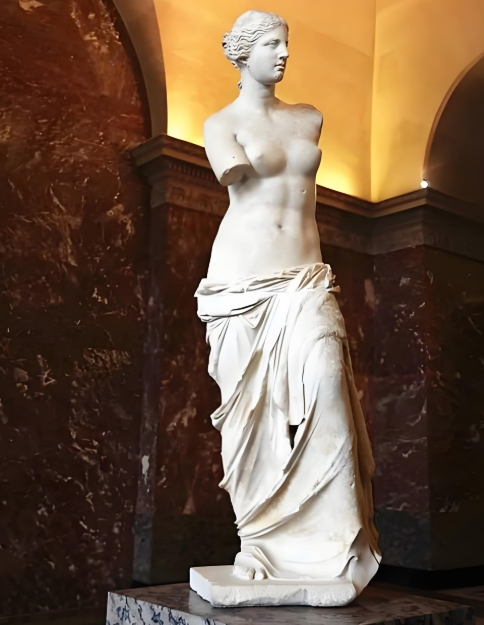
5. Venus de Milo
- Artist: Unknown (2nd century BC)
- Material: Marble
- Current location: Louvre Museum, France
- Highlights: A symbol of ancient Greek aesthetics, it retains its charm despite the loss of its arms and is representative of the “idealized form” of the classical period.
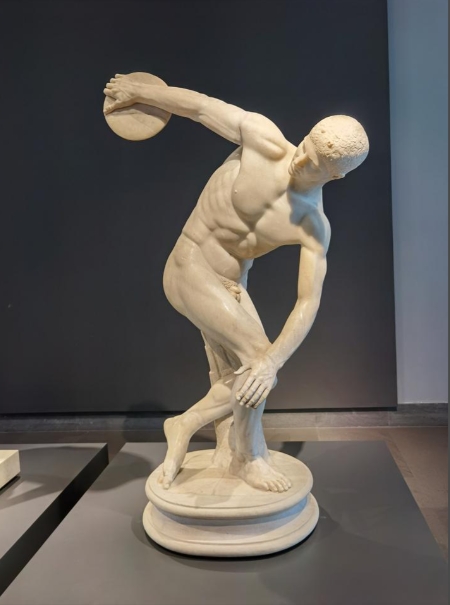
6. Discobolus
- Artist: Myron
- Creation date: Around 450 BCE
- Current location: The original is a Roman replica, housed in various museums
- Highlights: A classical sculptural masterpiece capturing the moment of action, showcasing the beauty of the human body in motion.
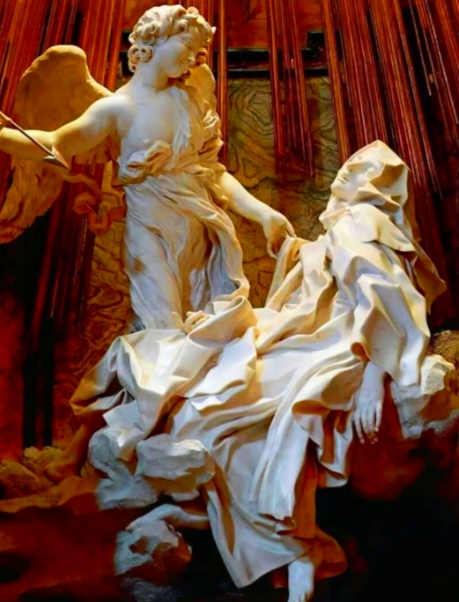
7. The Ecstasy of Saint Teresa
- Artist: Gian Lorenzo Bernini
- Creation Date: 1647–1652
- Material: Marble with metal decorations
- Current Location: Church of Santa Maria della Vittoria, Rome, Italy
- Highlights: A masterpiece of Baroque sculpture, blending light, space, and religious emotion, it represents the pinnacle of “theatrical sculpture.”
8. Terracotta Army
- Date: 3rd century BC, Mausoleum of the First Qin Emperor
- Material: Clay
- Current location: Terracotta Army Museum, Xi’an, China
- Highlights: Thousands of life-size warriors, a world wonder of “group sculpture art,” representing the high level of organization in Eastern sculpture.

9. Bust of Nefertiti
- Artist: Thutmose
- Creation Date: Approximately 1345 BCE
- Material: Limestone and painted
- Current Location: Neues Museum, Berlin, Germany
- Highlights: The epitome of elegance in ancient Egyptian sculpture, showcasing the aesthetic standards of ancient court women.
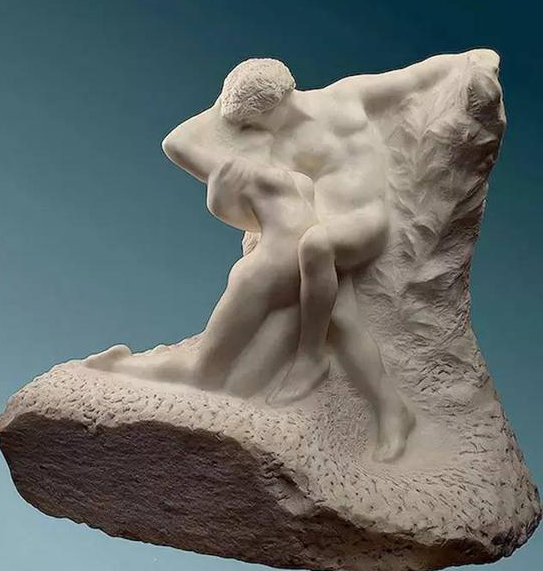
10. Eternal Springtime
- Artist: Auguste Rodin
- Creation Date: 1884
- Material: Marble and bronze versions
- Current Location: Major museums worldwide
- Highlights: A modern sculpture classic that seamlessly blends love, the human form, and emotion, brimming with “emotional intensity.”
Renaissance and Classical Sculpture Masterpieces
Renaissance sculpture was a revival and transcendence of the ancient Greek and Roman tradition of “ideal beauty.” Artists of this period not only restored precise studies of human anatomy, but also fused religious and humanistic spirit into three-dimensional space. Classical and Renaissance sculpture together laid the golden foundation for the history of Western sculpture.
Classical Period: The Beginning of the Pursuit of Ideals and Harmony
Key Characteristics:
- Emphasis on symmetry and proportion (idealized form)
- Marble is the primary material used (marble sculpture)
- Themes primarily focus on mythology and heroic figures
- The depiction of the human body is based on aesthetic standards of static beauty and structural balance
Representative Works:
- Discobolus — Myron
- Apollo Belvedere — Hellenistic style of ancient Greece
- Laocoön and His Sons — Depiction of dramatic tension and muscular structure in classical sculpture
The Renaissance: The Resonance of Reason and Faith in Sculpture
During the Renaissance, art returned to natural science and the study of the human body. Sculptures became more rigorous in their proportions and structure, while incorporating deep religious emotions and humanistic ideas.
Stylistic characteristics:
Heavily influenced by classical aesthetics, but with more vivid and natural expressions.
The emergence of independent sculptures as works of art, rather than architectural decorations.
The beginning of exploration into psychological expression and the inner emotions of characters.
Iconic Works of Modern and Contemporary Sculpture
With the rise of modernism in the late 19th century, sculpture began to break free from classical constraints and move toward free exploration. Modern and contemporary sculpture focuses more on emotional expression, formal abstraction, and conceptual communication, with greater diversity in materials and techniques.
Representative modern sculptures:
The Thinker – Auguste Rodin
A combination of emotion and structure, ushering in a new era of modern sculpture.
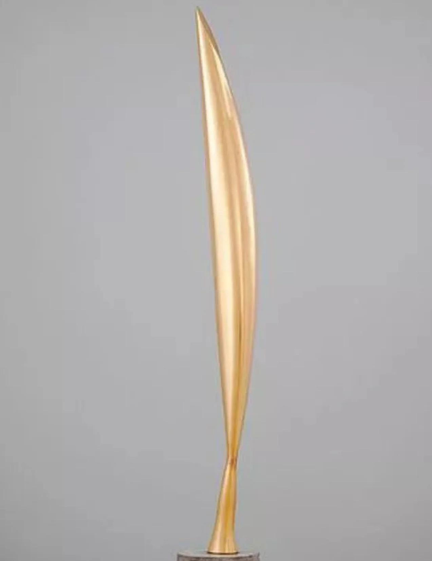
Bird in Space – Constantin Brancusi
Abstract and minimalist, pursuing eternity and spirituality.
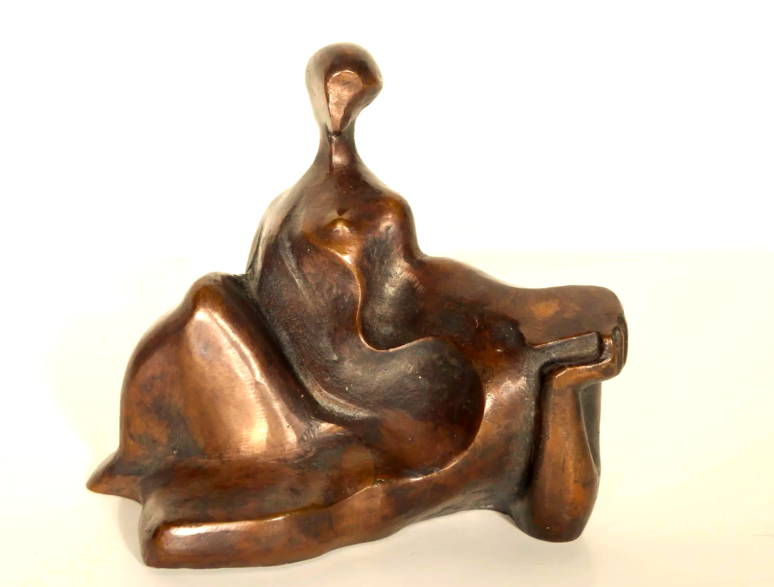
Mother and Child – Henry Moore
A model of organic form and public sculpture.
Representative contemporary sculptures:
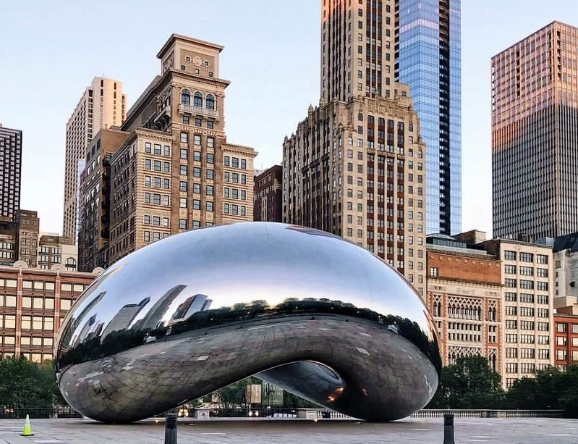
Cloud Gate – Anish Kapoor
A landmark public art installation in Chicago, featuring a mirrored interactive sculpture.
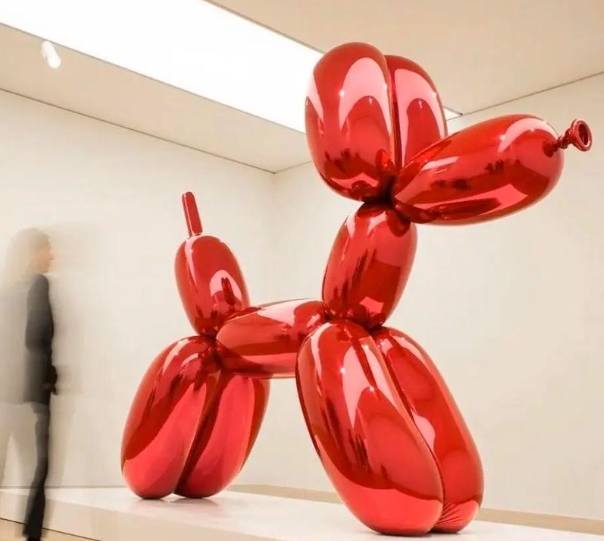
Balloon Dog – Jeff Koons
A fusion of pop art and stainless steel sculpture.
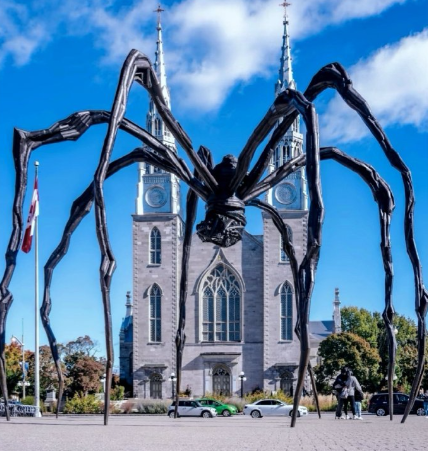
Spider – Louise Bourgeois
A powerful exploration of female identity and psychological emotions.
Landmark Public Art Sculptures and Must-See Tourist Attractions
There are numerous landmark sculptures around the world. They are not only symbols of urban culture, but also artistic landmarks that tourists must visit. These works of “public art” break the boundaries of museums and bring sculptures into the daily lives of the general public.
Recommended world-famous sculpture landmarks:
Statue of Liberty – New York, USA
A national symbol and masterpiece of public art, symbolizing freedom and hope.
Cloud Gate – Chicago, USA
A stainless steel mirror sculpture created by Anish Kapoor, highly interactive and a model of “urban sculpture.”
Replica of the David Statue – Florence, Italy
The original is housed in a museum, while the replica stands in a public space, showcasing the symbiosis between sculpture and urban memory.
Terracotta Army – Xi’an, China
A world-class archaeological and sculptural marvel, dubbed the “Underground Army,” has an immense cultural impact.
The Large Spider by Louise Bourgeois in front of the Guggenheim Museum in Bilbao, Spain
Its surreal sense of scale has become a must-see for contemporary art travelers.
The Sculpture Collection at St. Peter’s Basilica and Museum in the Vatican
Featuring Michelangelo’s Pietà and the Laocoön Group, it is a prime example of the fusion of religion and sculpture.
Representative Sculptors and Their Works
To understand the “most famous sculptures,” one must first understand the artists who changed the history of sculpture. Using stone, bronze, and even modern materials, they carved timeless works that transcend their era.
Classical and Renaissance Periods
▪ Michelangelo
Representative works: Pietà
Significance: Elevated the beauty of the human body to new heights and was hailed as “the poet of sculpture.”
▪ Donatello
Representative work: Bronze version of David
Significance: Pioneered the Renaissance sculptural style, emphasizing natural poses and psychological portrayal.
Baroque and Classical Revival
▪ Gian Lorenzo Bernini
Representative works: “The Ecstasy of Saint Teresa,” “Apollo and Daphne”
Significance: The epitome of Baroque sculpture, masterfully blending emotion, light, shadow, and space.
Modernism
▪ Auguste Rodin
Representative works: “The Thinker,” “The Kiss”
Significance: Hailed as the father of modern sculpture, he broke away from traditional representational methods to express emotion and muscular tension.
▪ Constantin Brâncuși
Representative work: Bird in Space
Significance: Pioneered the abstract and simplified language of sculpture, exerting a profound influence.
Contemporary Sculpture Pioneers
▪ Jeff Koons
Representative work: Balloon Dog
Significance: A representative figure of the fusion of popular culture and the commercialization of sculpture.
▪ Anish Kapoor
Representative work: “Cloud Gate”
Significance: Creates interactive sculptural spaces using mirrors, volume, and reflection.
▪ Yayoi Kusama
Representative works: “Polka Dot Pumpkin,” “Infinity Mirror Room”
Significance: Blends installation, sculpture, and spiritual art, with a highly distinctive style.
The Evolution of Sculpture Styles and the Perspective of Art History
The history of sculpture is a history of the constant evolution of human aesthetics, beliefs, and cultural concepts. From idealized images of deities to emotionally charged religious dramas, and then to abstract, installation, and digital media, sculpture has continuously broken boundaries and reshaped its modes of expression.
Classical and Ancient Greece: The Age of Ideals and Proportions
- Emphasis on the “perfect human body” and symmetrical composition
- Sculpture as a vehicle for public aesthetics and mythological narratives
Renaissance and Baroque: The Revival of Humanity and Emotion
- The Renaissance revived classical forms and incorporated the humanistic spirit
- The Baroque released emotions, integrating sculpture, architecture, and light into a unified whole
Modernism: Exploration of Abstraction and Form
- Transition from realism to simplification, deconstruction, and pure form
- Sculpture no longer merely represents figures but constructs meaning itself
Contemporary Sculpture: Cross-disciplinary, Conceptual, and Social Intervention
- Material freedom, conceptual precedence, and interactive participation
- Focus on gender, identity, environment, social issues, etc.
How to appreciate and visit these masterpieces?
Appreciating sculpture is not as simple as just “taking a look.” To truly understand a sculpture, one must consider its historical context, spatial relationships, interplay of light and shadow, and artistic language. For users who love to travel, study art, or explore culture, here is a practical guide to appreciation and visiting:
Planning your itinerary: Check in by region or style
Classic European itinerary
Louvre Museum (France) → Florence Academy of Fine Arts (Italy) → Vatican Museums (Rome)
Suitable for visitors who want to gain a deeper understanding of classical and Renaissance sculpture.
Modern Art Route
Rodin Museum, Paris → Tate Modern, London → MoMA, New York → Cloud Gate, Chicago
Recommended for lovers of modern and contemporary art.
Asian Culture Route
Terracotta Warriors, China → Stone Buddha, Kyoto → Public Sculpture District, Singapore
Focuses on the fusion of Eastern sculptural spirit and urban space.
Viewing Tips: Don’t just look, read
- Observe from multiple angles: Sculptures are three-dimensional, and the front is not necessarily the central viewing angle, especially for Baroque or contemporary works.
- Pay attention to changes in lighting: Many works use natural or designed lighting to create dramatic effects.
- Check background information: Understanding the artist and historical context will help you understand the symbolic meaning and details.
- Photography tips: Respect the museum rules, use natural light, and avoid using flash.
Must-visit world sculpture museumsare recommended
| Museum/Location | City/Country | Representative Works |
| Louvre Paris | France Venus de Milo | Winged Victory of Samothrace |
| Michelangelo’s David | Florence, Italy | Terracotta Warriors Museum, Xi’an |
| Vatican Museums | Rome, Vatican | LaocoönPietà, Pietà |
| Musée Rodin | Paris, France | The Thinker, The Kiss |
| Millennium Park, Chicago | Chicago, USA | Cloud Gate |
| Xi’an, China | Xi’an, China | Terracotta Warriors of Emperor Qin Shi Huang |
Frequently Asked Questions FAQ
Q1: What is the most famous sculpture in the world?
A: The most widely recognized famous sculptures include Michelangelo’s “David,” Rodin’s “The Thinker,” and the Statue of Liberty in the United States. They rank at the top in terms of artistic value, historical significance, and public recognition, and are the most frequently searched-for famous sculptures by global tourists.
Q2: Where can these sculptures be seen today?
A: Most world-class sculptures are housed in renowned sculpture museums or historical sites. For example, “David” is at the Florence Academy of Fine Arts, Pietà is at St. Peter’s Basilica in the Vatican, and replicas of “The Thinker” can be found at the Rodin Museum in Paris or the Art Institute of Chicago.
Q3: Are sculptures always made of marble or bronze?
A: While marble and bronze sculptures were ubiquitous historically, modern and contemporary sculptures now use a highly diverse range of materials, including stainless steel, glass, mirrors, plastic, textiles, and even light and sound.
Q4: Which countries are best suited for “sculpture travel”?
A: Italy (Florence, Rome, Vatican City), France (Paris), the United States (New York, Chicago), China (Xi’an), and the United Kingdom (London) are all classic destinations for sculpture culture, ideal for combining art appreciation with cultural immersion tours.
and why have they become timeless classics?
From Michelangelo’s “David,” Rodin’s “The Thinker,” to ancient Greece’s “Venus de Milo,” China’s Terracotta Army of Emperor Qin Shi Huang, the United States’ “Statue of Liberty,” and contemporary works like “Cloud Gate” and “Spider,” these sculptures are universally recognized as some of the most famous in the world.
They not only demonstrate exceptional craftsmanship but also resonate deeply on historical, cultural, and emotional levels. Each sculpture is a microcosm of its era—some symbolize faith, others represent strength, some express freedom, and others convey the complex emotions of humanity.
It is precisely for this reason that these works transcend time and geography, becoming irreplaceable classic symbols in human memory, cherished, studied, and passed down from generation to generation.