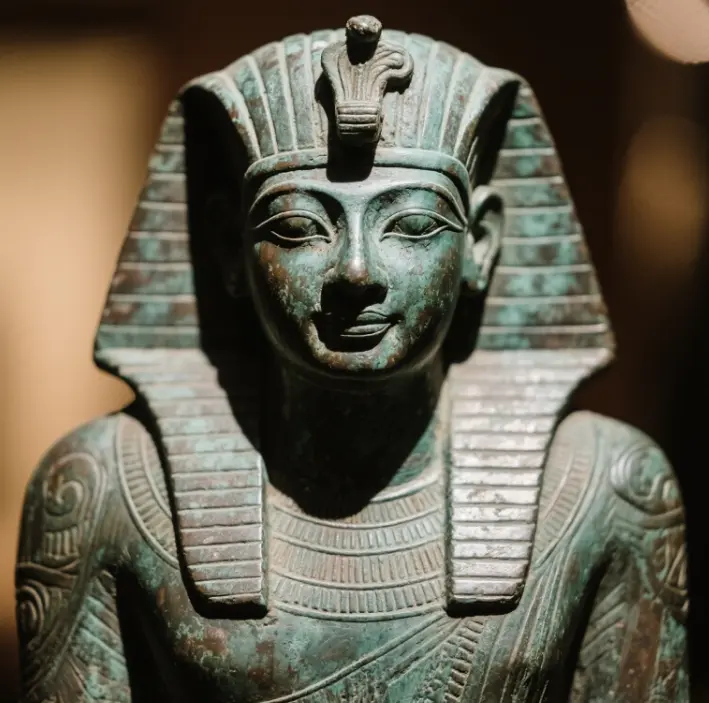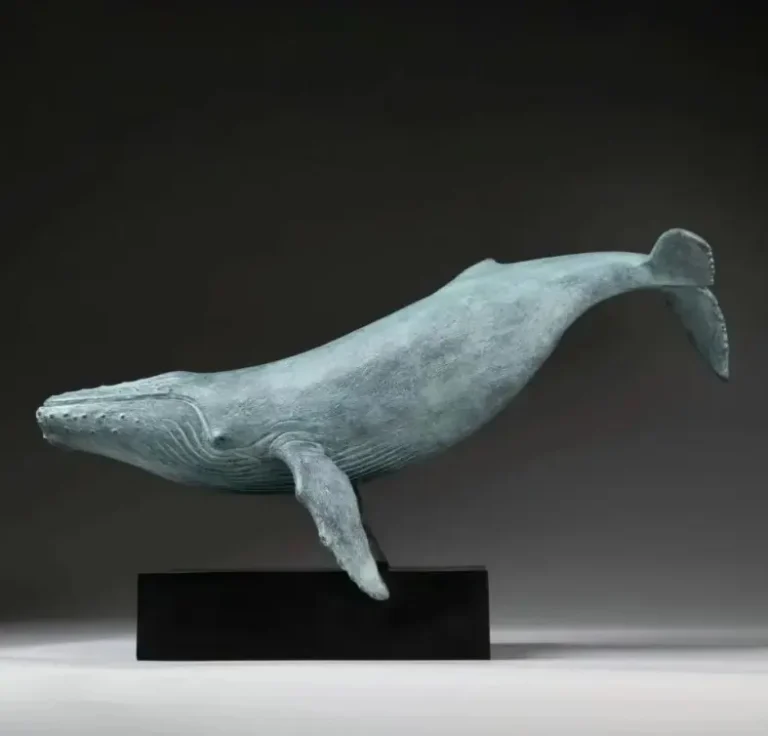
How to protect outdoor sculpture? Outdoor sculptures are exposed to wind, rain, sunlight, temperature fluctuations, and air pollution throughout the year, and if they are not protected, fading, corrosion, and even structural damage may occur within a few years. The first methods include regular cleaning and waxing (bronze sculptures can be protected against “bronzing”); spraying with UV-resistant coatings (for resins or fiberglass materials); and optimizing the placement environment (avoiding water-spraying equipment, stagnant water, and intense UV rays, among other factors). Something as simple as waxing twice a year and spraying sunscreen varnish every 6 months can increase the life of most materials by 3-5 times.
In addition to preventing human error and natural impact, plant fencing or warning signs can be added to avoid collision and damage without compromising aesthetics. High-value sculptures are recommended to be professionally evaluated every 2-3 years to repair minor cracks or address any structural hazards promptly. These measures not only protect the artwork’s integrity but also save on costly future repairs.
Wondering how maintenance strategies differ for different materials? How to protect against outdoor humidity, high temperatures, and industrial pollution? What are some of the misconceptions about the daily maintenance of sculpture? Continue to review which care details require attention.
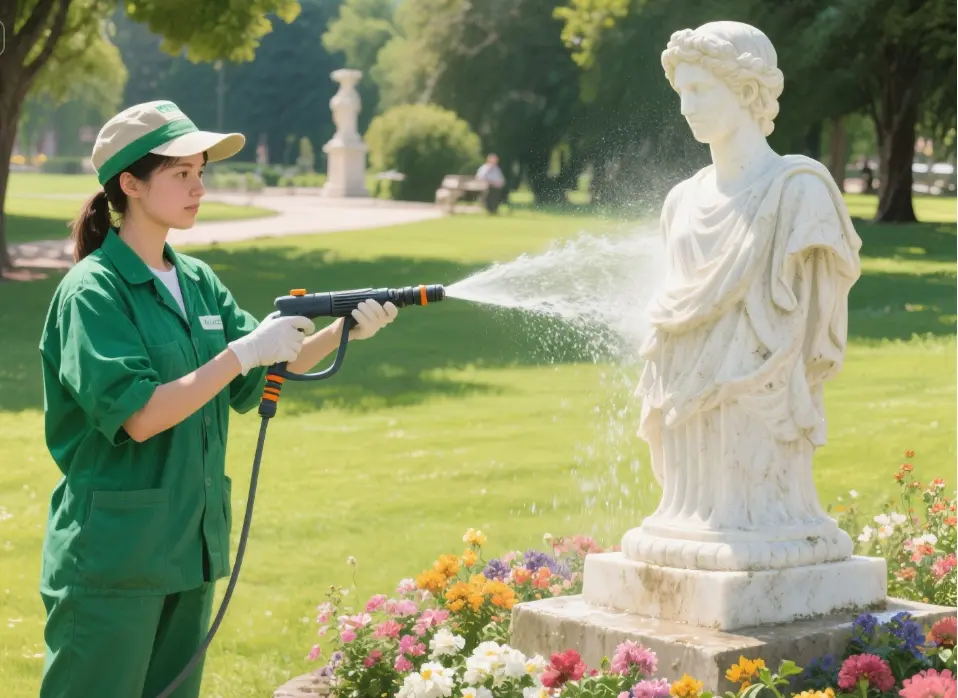
A list of common threats to outdoor sculpture
Outdoor sculpture is beautiful, but very “fragile”. Natural environment and human factors may quietly shorten its life.
Sun and rain: the sun’s ultraviolet rays will cause resin discoloration and metal oxidation, and rain is more likely to bring acidic corrosion. For example, unwaxed bronze sculpture, within a few years, may appear with green corrosion patches – this is a typical sign of “bronze disease.”
Plant and animal infestation: Bird droppings, vines, and fallen leaves are common, but they can slowly erode the surface, harboring dirt and even clogging structural gaps, which can affect the solidity and appearance over time.
Vandalism: Accidental touches by lawn mowers, climbing by children, or unprofessional cleaning (e.g., scrubbing the metal with a steel wool ball) can damage the surface coating and cause the sculpture to deteriorate more quickly.

Basic maintenance: cleaning, coating, shields
If you want your outdoor sculpture to withstand the elements, you can’t skip basic maintenance. These three steps are akin to performing “daily maintenance” on the sculpture—critical yet straightforward.
Regular cleaning: don’t let dust and pollution become invisible killers!
Tools: a soft cloth (such as a microfiber cloth), a sponge, neutral soap (such as baby soap), and warm water (avoid using hot water). Prohibit the use of stiff brushes, steel wool balls, and high-pressure water guns (will scratch the surface and damage the coating).
Cleaning Method:
- Stone / Concrete Sculpture: Dip a soft cloth in warm water + a little neutral soap and gently wipe the surface, then rinse with water and finally dry with a dry cloth (to prevent moisture residue).
- Bronze sculptures: Use warm water + neutral detergent (e.g. dish soap), wipe with water, rinse with clean water and dry with a dry cloth (to avoid oxidation caused by moisture). If there is slight oxidation (greenish surface), use a bronze cleaner (e.g., Brasso) and wipe gently, but do not use it too often (it will thin the surface).
- Resin / Plastic Sculptures: Wipe with a soft cloth moistened with warm water, avoid chemical cleaners (will corrode the resin).
Surface Coating: Creating an “Invisible Shield”
- Bronze sculpture: regular waxing is key. Renaissance Wax (a microcrystalline wax, commonly used in museums) is recommended and should be applied every 6-12 months. Method: Dip a soft cloth into the wax and spread it evenly over the sculpture’s surface. Leave it for 10 minutes, then polish it with a clean cloth to form a layer of waterproof and anti-oxidation protective film.
- Stone sculptures: Apply a nano waterproofing agent (e.g., Dry Treat) to the surface, sprayed on, to form an invisible waterproofing layer that prevents rainwater and pollutants from penetrating. Re-spray every 2-3 years (depending on ambient humidity).
- Resin/Plastic Sculptures: UV-protective sprays (e.g., 303 Protectant) can be applied to minimize UV damage to the material and should be reapplied every year.
Shades and shields: to protect the sculpture from wind and rain.
- UV Protection: In the southern summer months or areas of high light, cover the sculpture with a breathable sunscreen (e.g., outdoor furniture film) or build a small canopy (using shade cloth or a metal frame) to reduce direct UV rays.
- Idle period protection: If the sculpture is not used for an extended period (e.g., during intermission), a lightweight material (e.g., tarpaulin) can be used to prevent it from accumulating. Note: The cover should leave a ventilation opening to prevent water from accumulating inside (water accumulation will cause the surface of the sculpture to be wet and prone to icing).

Lawn Machinery Accident and Construction Injury Prevention
Lawn maintenance machinery is the “invisible killer” of outdoor sculptures; many scratches and gaps are due to lawn mowers accidentally touching them. Here are prevention tips:
Establish a “protected area”
Use a low fence (such as a wooden or metal fence, approximately 50cm high) or warning tape (such as yellow and black reflective tape) to enclose an area of 1-2 meters around the sculpture, clearly indicating “no entry” to maintenance personnel.
Communicate in advance
Before lawn maintenance, inform workers about the location and importance of the sculpture and remind them to avoid it when operating lawn mowers, especially if it is a community sculpture.. Post “Sculpture Protection Tips” on the bulletin board.
Reinforcement of the plinth
The plinth is the “foundation” of the sculpture. It is made of sturdy materials (e.g., concrete, steel) to add weight and reduce the risk of movement upon impact. For small sculptures, fixing bolts can be installed at the base of the plinth to secure it to the ground.
Outdoor sculpture seasonal maintenance recommendations
In different seasons, sculptures face different threats and require targeted treatment:
Spring: prevent “freeze-thaw cracks”
After the rain has cleared, clean the sculpture’s surface of rainwater residue (e.g., dust, pollen) promptly to prevent the buildup of pollutants.
Check whether the sculpture has freeze-thaw cracks (cracks caused by winter icing). If so, fill them with stone repair adhesive (such as epoxy adhesive) to prevent the cracks from expanding.
Summer: Protection against “UV + insect and bird droppings”
Enhance UV protection: reapply UV protection spray (for resin or plastic sculptures) or wax (for bronze sculptures).
Remove insect and bird droppings regularly: wipe gently with a soft cloth soaked in warm water, avoiding chemical cleaners (which can etch the surface). If dung stains are stubborn, wipe with a small amount of white vinegar (diluted) and then rinse with water.
Autumn: prevent “fallen leaves + standing water”
Remove fallen leaves from around the sculpture: decaying leaves can harbor bacteria and corrode the surface of the sculpture, especially stone sculptures.
Check the drainage system: make sure the ground around the sculpture is sloped so that rainwater can be drained away in time without standing water (standing water will lead to enlargement of the pores of the stone and accelerate weathering).
Winter: protection against “snowdrifts + freezing”
Cover the shield: cover the sculpture with a light tarpaulin to avoid the snow pile pressing on the sculpture (the weight of the snow will lead to deformation of the structure).
Clear snow promptly: use a soft-bristled brush to gently sweep snow off the sculpture, avoiding the use of a shovel (it will scratch the surface). If there is ice, do not pour hot water over it (it will cause the material to expand and contract thermally, and cracks will widen), but use an ice shovel to crack it gently.
Professional Conservation Advice and Resources for Outdoor Sculpture
Basic maintenance can help prevent daily damage, but a professional inspection is crucial in avoiding major problems. It is recommended to have a professional conservator or sculpture maintenance company do the following inspections every 3-5 years:
Structural Inspection
Check whether the base is loose, whether the sculpture is tilted (measure with a level), and whether the metal parts are corroded (e.g., welded joints of bronze sculpture).
Material Inspection
Use non-destructive testing equipment (e.g., ultrasonic, infrared thermography) to check whether there are cracks inside the stone and whether there is an oxidized layer on the bronze (too thick an oxidized layer will lead to surface peeling).
Restoration Recommendations
If cracks, chips or surface damages are found, professionals will give repair suggestions:
Stone cracks: Fill with epoxy adhesive, then sand and smooth, and finally spray sealant.
Bronze Chips: Solder with bronze patches, then sand and polish, and finally wax.
Outdoor Sculpture Frequently Asked Questions
How often should the outdoor bronze sculpture be waxed?
It is recommended every 6-12 months, depending on the environment: 6 months can be shortened to 6 months for seaside or industrial areas (severe corrosion); 12 months can be extended to dry areas (light corrosion).
How to prevent lawn machinery from cutting sculptures?
- Set up low fences or warning strips to keep lawn mowers away.
- Inform maintenance staff of the sculpture’s location as a reminder.
- Use sturdy materials for the base to minimize the risk of impact injuries.
How soon after a rain does the sculpture need to be cleaned?
Clean the sculpture within 24 hours after it stops raining to prevent pollutants in the rain (e.g., dust, acid rain) from forming stubborn stains on its surface after it dries. 4.
Can I cover my sculpture with a cover in winter?
Yes, but use a lightweight, breathable cover (e.g., tarpaulin) to avoid water buildup inside the cover (water buildup will cause the surface of the sculpture to become wet and prone to freezing).